Motor Sourcing Guide
Oct 09, 2026
For industrial equipment projects, the selection of power components directly affects the operational stability and total life-cycle cost of the entire system. Many overseas buyers focus too much on unit prices during the selection phase and overlook actual compatibility, leading to equipment failures and downtime after commissioning, which results in additional maintenance costs.
Before formally initiating the procurement process, it is recommended to first assess the project’s actual operating conditions, clearly defining the equipment’s continuous operating time, start-stop and speed control requirements, power supply method, and power parameters, while also confirming on-site constraints such as installation space and noise levels. Clear project requirements form the foundation for selecting suitable products; low-cost solutions that are disconnected from the actual application context have no practical value.
Power components on the market feature a variety of technical solutions, with each solution tailored to specific application scenarios; there is no single, universal product capable of covering all operating conditions. Some products are better suited for continuous, long-term, high-load operation in industrial settings; others require minimal maintenance and are suitable for equipment that operates continuously, such as fans and compressors; still others are designed for battery-powered environments and are widely used in small devices and automotive applications; and structurally optimized products offer outstanding advantages in noise reduction and service life. Purchasers do not need to delve into the underlying technical principles; they can simply base their decisions on the actual operational requirements at the project site.
Many global buyers are turning their attention to partners in Asia’s manufacturing hubs. The region boasts a well-developed industrial supply chain, where manufacturers can offer flexible customization capabilities and large-scale production capacity, while maintaining controllable costs and adapting to project needs of varying scales.
When engaging partners, buyers need to clearly distinguish between manufacturing plants and foreign trade companies, as their service models differ significantly.
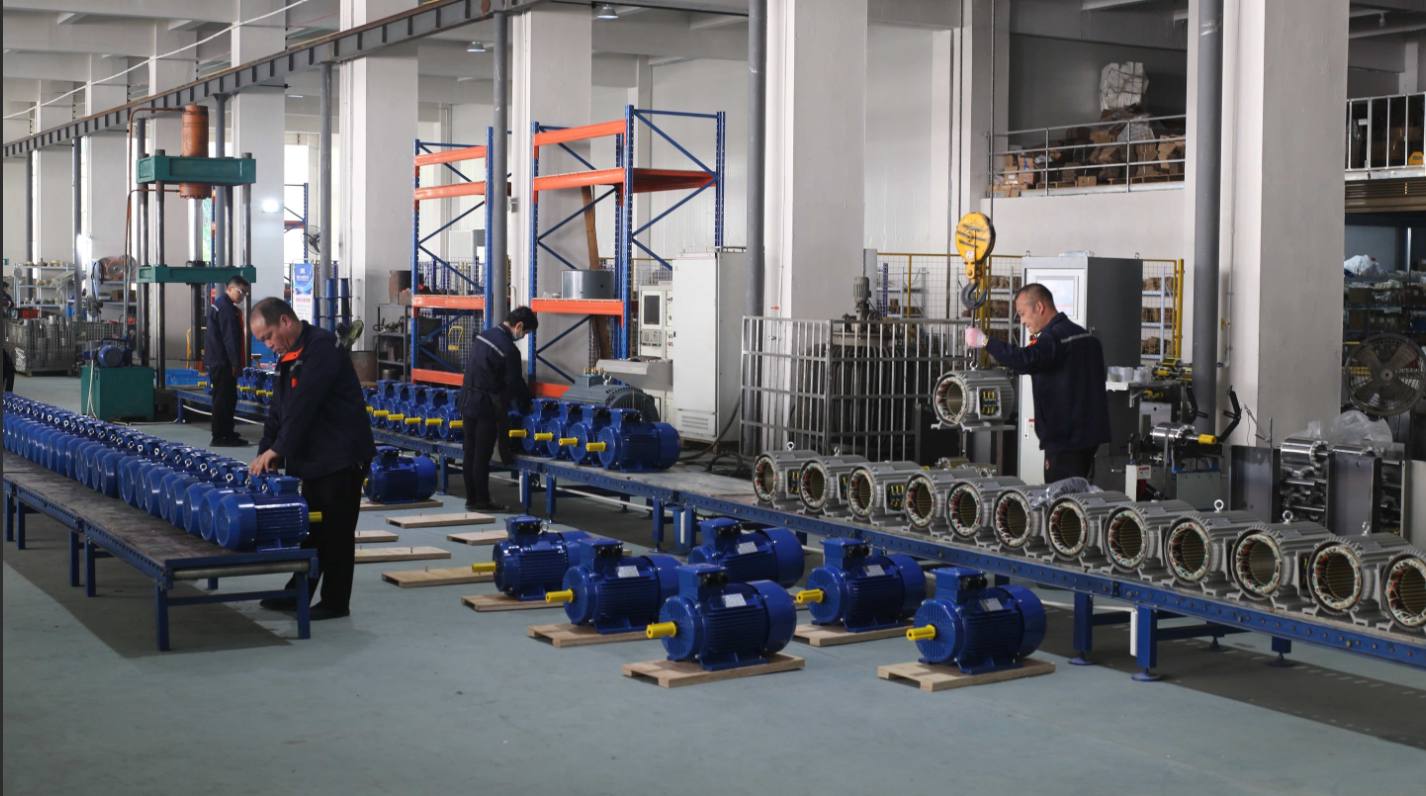
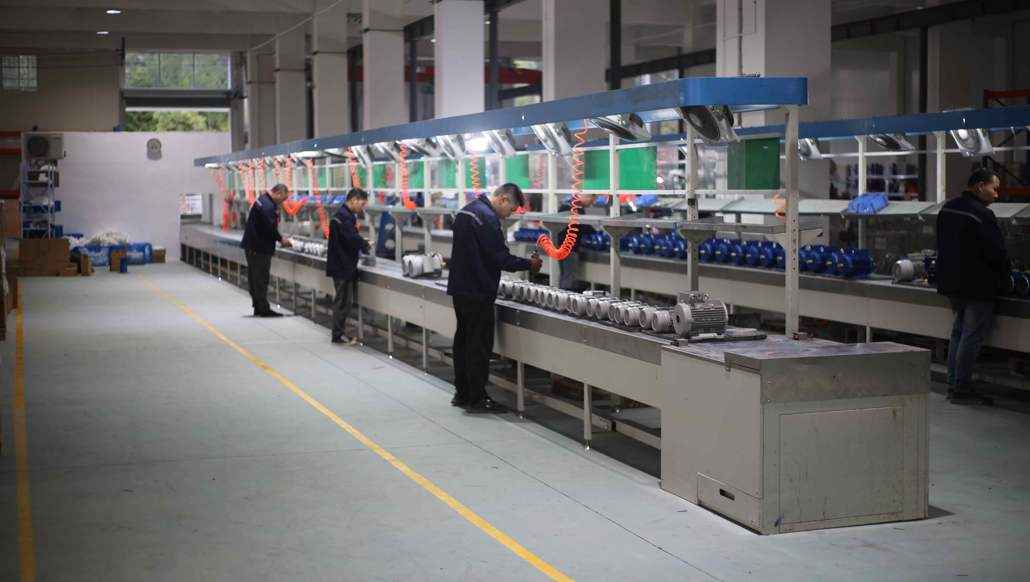
Manufacturing plants control the entire product R&D and production process. They can directly participate in adjusting product specifications and optimizing manufacturing processes, and are able to provide original factory test reports, on-site factory audits, and sample prototyping services. They respond more directly to issues regarding delivery schedule management, technical coordination, and customization modifications; when product technical issues arise, they can resolve them directly at the R&D and production level.
As intermediary entities, foreign trade companies can coordinate with multiple manufacturing partners simultaneously, offering certain conveniences in product price comparisons and consolidated procurement across multiple product categories. However, most trade companies do not control the production process and cannot directly modify manufacturing processes. When faced with complex technical customization requirements, they must relay these requests to the manufacturing partners, which can lead to information loss; delivery schedules and the resolution of technical issues are consequently subject to constraints imposed by upstream manufacturers.
In the early stages of collaboration, it is recommended to verify the partner’s manufacturing background and confirm their ability to supply samples, provide product test reports, offer customization support, meet delivery timelines for bulk orders, and ensure the availability of spare parts and an effective after-sales response mechanism.
Simply pursuing the lowest purchase price carries significant risks. If product performance does not align with project operating conditions, the total costs incurred later due to equipment downtime and component replacements will often exceed the savings realized during the procurement phase.
Motor procurement requires a comprehensive balancing of project operating conditions, product suitability, and the partner’s overall capabilities. A multi-dimensional assessment can effectively mitigate the vast majority of project risks and ensure the smooth implementation of the project.